Your deck. Your question.
AI tarot photo reading
Draw your own tarot cards, take a clear photo and bring your question to FlipTarot. Check the recognized cards, choose a matching spread and receive a connected AI interpretation.
Sign in to recognize cards and save the reading to your account.
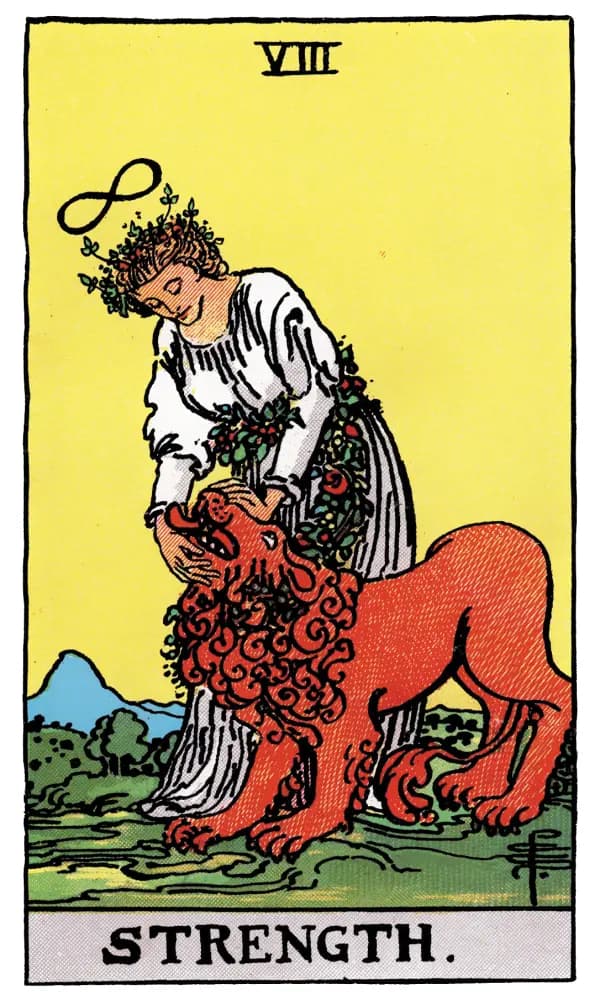
1. Strength
Upright
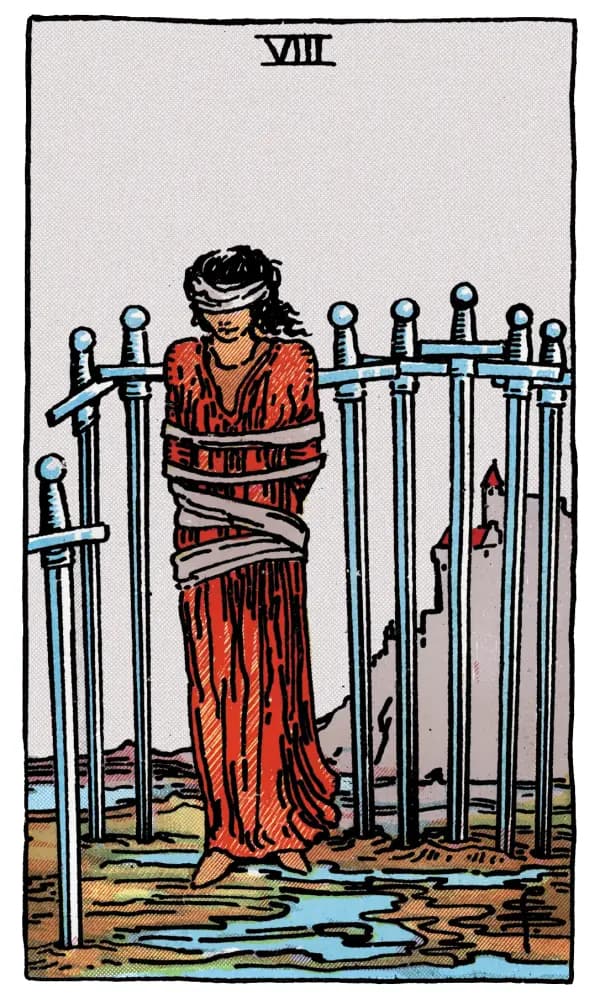
2. Eight of Swords
Reversed
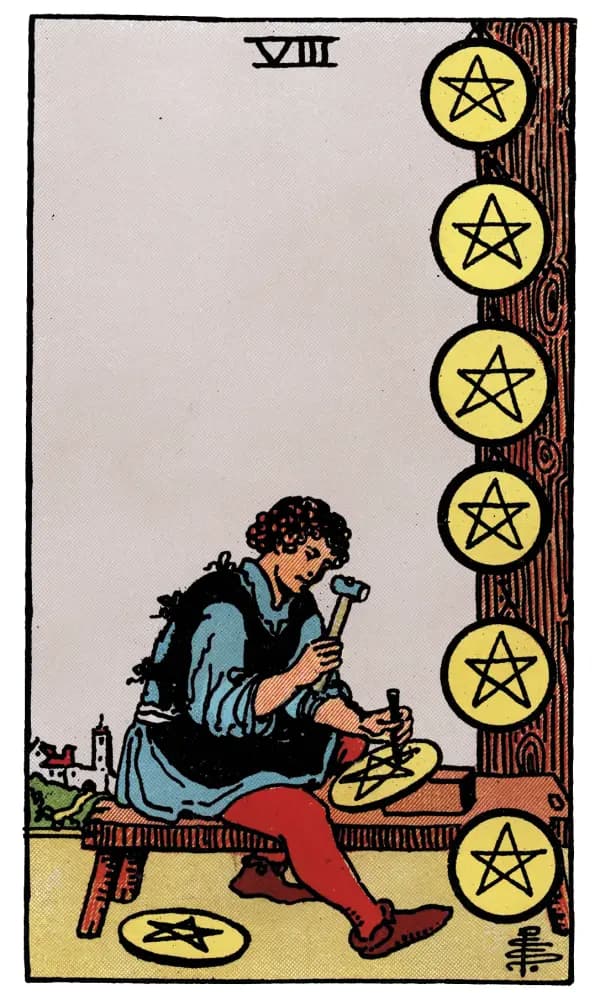
3. Eight of Pentacles
Upright
From your cards to one connected reading
- 01
Ask and photograph
Sign in, enter one focused question and take or upload a clear photo of the face-up cards you already drew.
- 02
Check every card
Review each card name and its upright or reversed orientation. Replace a wrong card, add a missed one, remove an incorrect detection or adjust the order.
- 03
Choose positions and read
Select a compatible FlipTarot spread and confirm every position. Review your account access, then start an interpretation that connects your question, cards and positions.
Which tarot decks can I scan?
Photo recognition is designed for the standard 78-card Rider–Waite–Smith tarot system. Clear RWS-style artwork and readable card names help identify cards, but variations can still be misread. Always review the result.
The final reading uses FlipTarot’s 78-card Rider–Waite library and its artwork. Oracle cards, extra cards and other tarot systems are not interpreted using their own separate deck meanings.
Supported numbers of photographed cards
- 1 card
- 3 cards
- 4 cards
- 7 cards
- 10 cards
Choose from the spreads shown for your confirmed cards. The four-card Wirth Cross requires four Major Arcana cards; its fifth synthesis card is calculated automatically.
Give each card room to be seen
- Show the front of every card, including the full artwork and any printed name.
- Use even light. Avoid glare, blur, deep shadows and fingers over the cards.
- Keep cards separate and large enough to see. A straight-on photo is easier to check.
- Keep upright and reversed cards as you drew them. Confirm their orientation and reading order after recognition.
JPG, PNG and WebP are reliable choices. If your phone’s image format cannot be opened, convert it to JPG. If the upload reports that the image is too large, choose a smaller photo.
A complete three-card example
This demonstration uses the illustrated layout above and an edited sample interpretation. It shows the flow from card review to a reading; your own result is generated for your question and confirmed cards.
The question
How can I return to a regular creative practice?
1. Confirm the cards and positions
The Eight of Swords is upside down in this example. If recognition marks it upright, toggle it to reversed. Then put the three cards in the order below and select the Past–Present–Future spread.
Past–Present–Future Three-Card Spread
| Position | Confirmed card | Orientation |
|---|---|---|
| Past | Strength | Upright |
| Present | Eight of Swords | Reversed |
| Future | Eight of Pentacles | Upright |
2. Read the spread as a whole
Past · Strength · Upright
Strength points to patient, steady effort as a useful foundation. Reflect on times when a gentle routine helped you stay creative. Returning to that attitude may serve you better than waiting for a perfect burst of motivation.
Present · Eight of Swords · Reversed
The reversed Eight of Swords suggests an opportunity to loosen rules that make starting feel difficult. “It has to be impressive” or “I need an uninterrupted afternoon” may be assumptions you can test. Notice which limits are real and which allow a smaller first step.
Future · Eight of Pentacles · Upright
The Eight of Pentacles describes a direction you can build through repeated practice. Short, manageable sessions give you something concrete to improve. This future position is a possible path shaped by your choices, rather than a promise that progress will happen automatically.
Together, these cards suggest a return through patience, fewer self-imposed conditions and consistent practice. The useful shift is from judging each attempt to giving yourself enough small attempts to learn.
A practical next step
- Choose one small creative task that fits into ten minutes.
- Set aside three short sessions this week and keep the materials ready.
- At the end of the week, note what helped you begin and adjust the routine.
Use the reading as a prompt for reflection. AI can make mistakes; future positions describe possibilities, not a fixed outcome.
Privacy and fees before you begin
What happens to the photo?
The photo is used only for recognition and is not saved with your reading. Your result shows artwork from the FlipTarot deck.
Your photo is sent to an AI service provider for card recognition. AI processing and any temporary provider logs are covered by the privacy policy.
Your question, confirmed cards and interpretation may be saved to provide your account’s reading history. Personal reading and result pages are excluded from search indexing.
Read the privacy policyHow access and fees work
- Sign-in is required for recognition. Scanning and checking cards do not consume a reading credit; scan limits still apply.
- Eligible basic spreads share the existing 3 free basic readings per day with digital readings. A photo does not create a separate free allowance.
- Credit-paid readings use 1 credit, as shown for the selected spread. Credit pack and Premium prices are listed on the pricing page.
- The selected spread shows your current access before you start: free allowance, an eligible first deep reading, Premium or credits. Active Premium includes readings within the existing 50-per-day limit.
Access is claimed only when interpretation begins.
View current credits and Premium pricingQuestions about scanning tarot cards
Does the photo automatically choose my spread?
You choose an existing FlipTarot spread after checking the cards. The tool shows compatible options and may recommend one, but it does not select that recommendation for you. Confirm each card’s position before interpretation.
Can I correct a card or a reversed orientation?
Yes. Tap a card to replace it from the 78-card library, toggle upright or reversed, move it earlier or later, or remove it. You can also add a missed card. Check the updated position assignments before starting.
What if a card is cropped, uncertain or duplicated?
Review the warnings and compare the recognized cards with your original layout. Correct the selection or take a clearer photo. Recognition can make mistakes, so an uncertain result needs your confirmation.
Can I photograph an overlapping spread?
Every card needs to be visible. If an overlapping layout hides a card, separate the cards for the photo while keeping track of their original positions. Restore the intended order in the review step and confirm the positions in your selected spread.
Will my original photograph appear in the saved result?
The original photo is used for recognition and is not saved with the reading. Results display FlipTarot deck artwork. Your question, cards and interpretation may be saved in your account history as described in the privacy policy.
When is my reading allowance or credit used?
Only when interpretation begins. The review step shows the selected spread’s current access first. Free allowances, trial eligibility, credits and Premium follow the same account rules used elsewhere on FlipTarot.
Bring the cards you already drew
Have your question and a clear photo ready. You’ll check the cards and positions before starting your reading.
Start a photo reading